
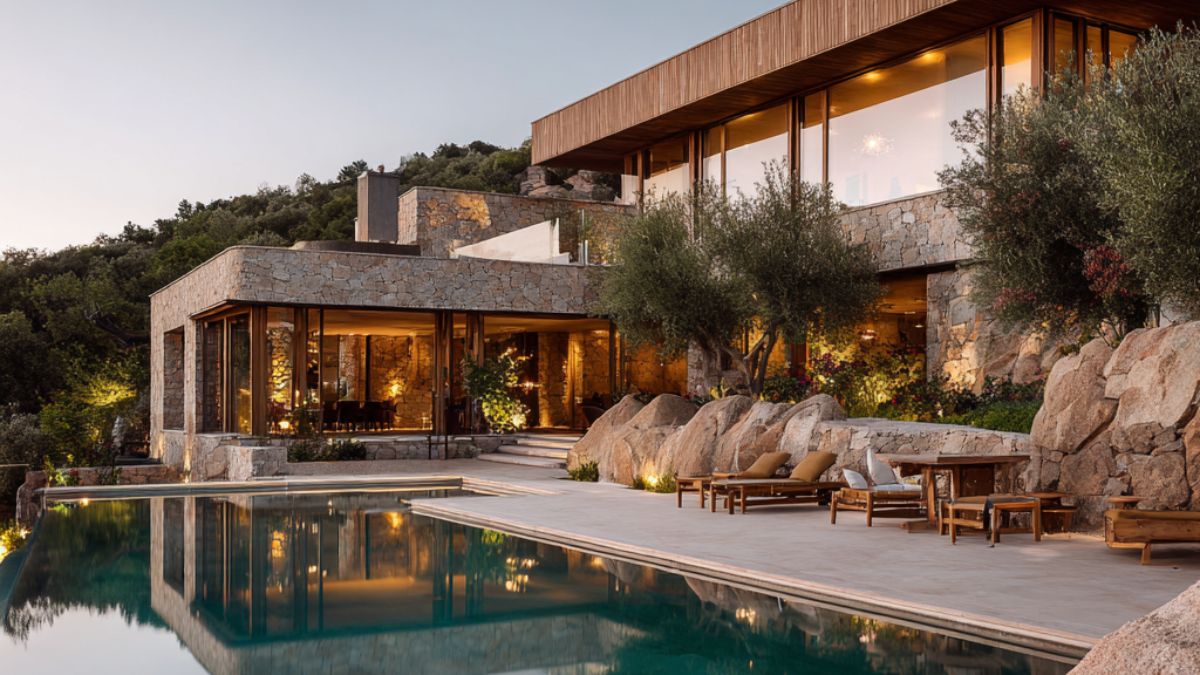
There's a moment in every development project where the numbers make sense on paper, but no one in the room can fully see it yet.
The site exists. The brief exists. The opportunity is real.
But investors are cautious. Planners are sceptical. And the people who need to say yes are being asked to approve something they can't picture.
That's the problem renders solve — and it's why more developers are commissioning them at the start of a project, not the end.
What architectural visualisation actually is
Architectural visualisation is the process of translating a design — a floor plan, a concept, a set of drawings — into photorealistic images or video that show what a space will look and feel like once built.
Not an artist's impression. Not a sketch.
A render that looks like a photograph of a building that doesn't exist yet.
The technology has changed dramatically in the last few years. What used to require weeks of specialist 3D modelling and significant budget can now be produced faster, with more creative flexibility, and at a quality that's genuinely indistinguishable from photography.
I'm an architect. I use AI as part of my production process. That combination — architectural knowledge and AI tools — is what makes it possible to deliver at this level without the timeline or cost that used to come with it.
Why developers are using it earlier in the process
The instinct used to be: visualise at the end, when everything is locked in. Use renders for marketing, for the sales brochure, for the website.
That still makes sense. But it's only half the picture.
The earlier you introduce high-quality visuals, the more work they do:
With investors, a render turns a speculative conversation into a concrete one. You're no longer asking someone to fund an abstraction. You're showing them what they're backing. That changes the dynamic in a room.
With planners, visuals that clearly communicate scale, materiality, and relationship to the surrounding context reduce friction. A well-presented application is easier to assess — and easier to approve.
With your own team, having a clear visual reference early keeps architects, contractors, and consultants aligned. Fewer misreadings. Fewer late-stage surprises.
The render isn't decoration. It's a decision-making tool.
When it makes sense to commission renders
The right moment depends on what you need the visuals to do.
If you're raising investment or presenting to a board, commission before the pitch. The render earns its fee in the first conversation it changes.
If you're preparing a planning application for a sensitive site — listed building context, urban infill, change of use — commission early enough to have the visuals reviewed before submission. Planners respond to clarity.
If you're preparing marketing materials, commission once the design is stable enough that major changes are unlikely. Changes after the fact cost time and rework.
What I'd say to any developer: if you're going to need renders eventually, the question is only whether they work harder for you by existing sooner.
How the process works
You don't need to have everything finalised. Most of my clients come to me with floor plans, site drawings, and a mood reference — sometimes just a few images that capture the feeling they're going for.
From there:
- We align on the brief — spaces, angles, time of day, materials, atmosphere
- I produce an initial set of renders, usually within 48 hours for straightforward briefs
- You review and we refine — adjustments to lighting, finishes, furnishing, composition
- You receive final files in the formats you need: high-resolution stills, video walkthroughs, or both
No CAD software required on your side. No technical knowledge needed. You describe what you're building and who needs to believe in it — I make it visible.