Property pitches are won or lost before a single brick is laid. Marketing agencies that show clients photorealistic visuals of a finished development — not mood boards, not hand sketches — close faster, charge more, and get referred more often. AI-generated architectural renders have made that standard accessible to every agency, not just those with six-figure CGI budgets.
The Pitch Deck Problem Most Agencies Ignore
Most marketing agencies pitching property developers still rely on reference photography from comparable projects, stock imagery, or rough concept visuals scraped together at the last minute. The client sitting across the table knows none of it is real, and that gap between what they see and what they're being asked to invest in creates friction, hesitation, and lost contracts.
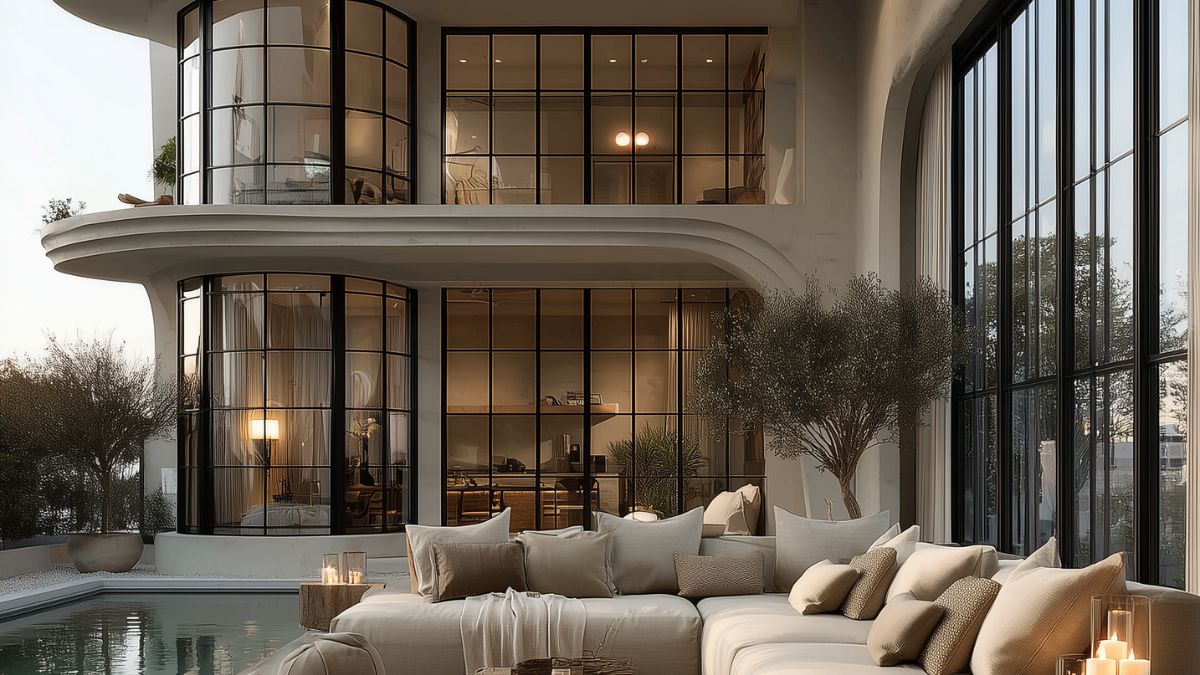
Photorealistic renders close that gap. When a developer can see their actual scheme — correct facades, accurate landscaping, the right material palette — presented as a finished image, the conversation shifts from 'help us imagine it' to 'how do we launch it.' That is a fundamentally more powerful position for any agency to operate from.
Why AI Renders Change the Economics of Visual Production
Traditional architectural CGI from a specialist studio can run anywhere from €800 to several thousand euros per image, with turnaround times of one to three weeks. For a marketing agency pitching speculatively — before the contract is signed — that cost and timeline is often prohibitive. AI-assisted rendering collapses both barriers. Studios like Loop Strategy AI deliver photorealistic visuals from €490 with a 48-hour turnaround, which means agencies can invest in compelling pitch assets without waiting on client approval or budget sign-off. The render pays for itself the moment it helps win the account.
What Developers and Architects Actually Respond To
Property developers evaluate agencies on one core question: can you make this project sell? Interior designers and architects are asking something adjacent — can you communicate the vision to stakeholders who struggle to read technical drawings? Photorealistic renders answer both questions immediately and visually. Showing a rendered kitchen at golden hour, a residential facade in context on the actual street, or a commercial lobby with accurate lighting and materials is worth more in a pitch than three pages of strategic rationale.
The agencies gaining ground in competitive property pitches are not necessarily the largest or the most experienced. They are the ones that walk in with the most compelling visual evidence that they understand the project and can execute the marketing. AI renders, delivered fast and at a price point that works pre-contract, are now a genuine competitive differentiator — and the window before this becomes standard practice is narrowing.
How to Integrate AI Renders Into Your Pitch Workflow
The most effective approach is to commission one or two hero renders before the pitch meeting itself — exterior establishing shot, key interior space, or a lifestyle scene that captures the target buyer. Provide the brief, floor plans, and any reference materials, and a studio like Loop Strategy AI can return finished assets within 48 hours. Those images become the centrepiece of the deck, the proposal document, and the leave-behind. If the pitch succeeds, the same studio scales production for the full campaign. If it does not, the cost was minimal relative to the opportunity.